Rajasthan
Across the northwestern plains of India lies a region where history remains visibly present in everyday life. Rajasthan is a landscape of desert fortresses, marble palaces, and cities whose colors seem to have been chosen as carefully as the architecture itself.
Travel here feels less like visiting monuments and more like entering a layered narrative — centuries of royal courts, desert caravans, and cities built as expressions of power, beauty, and craftsmanship. Yet alongside this grandeur exists a rhythm that is distinctly Indian: crowded bazaars, temple bells, and narrow streets where daily life unfolds beneath monumental walls.
Rajasthan rewards travelers who appreciate atmosphere as much as spectacle. Its beauty lies not only in its palaces, but in the way these places remain embedded within the living fabric of the region.
The Character of the Rajasthan
Rajasthan was once the domain of Rajput kingdoms, whose rulers built cities and palaces designed to display both wealth and resilience in an often harsh desert landscape. As a result, the region’s architecture is unusually theatrical: hilltop forts rising above entire cities, mirrored halls reflecting candlelight, and intricate stone carvings that transform palace walls into delicate lacework.
Each city reveals a different aspect of this legacy.
Jaipur, the “Pink City,” reflects royal urban planning and grand avenues lined with palaces and markets.
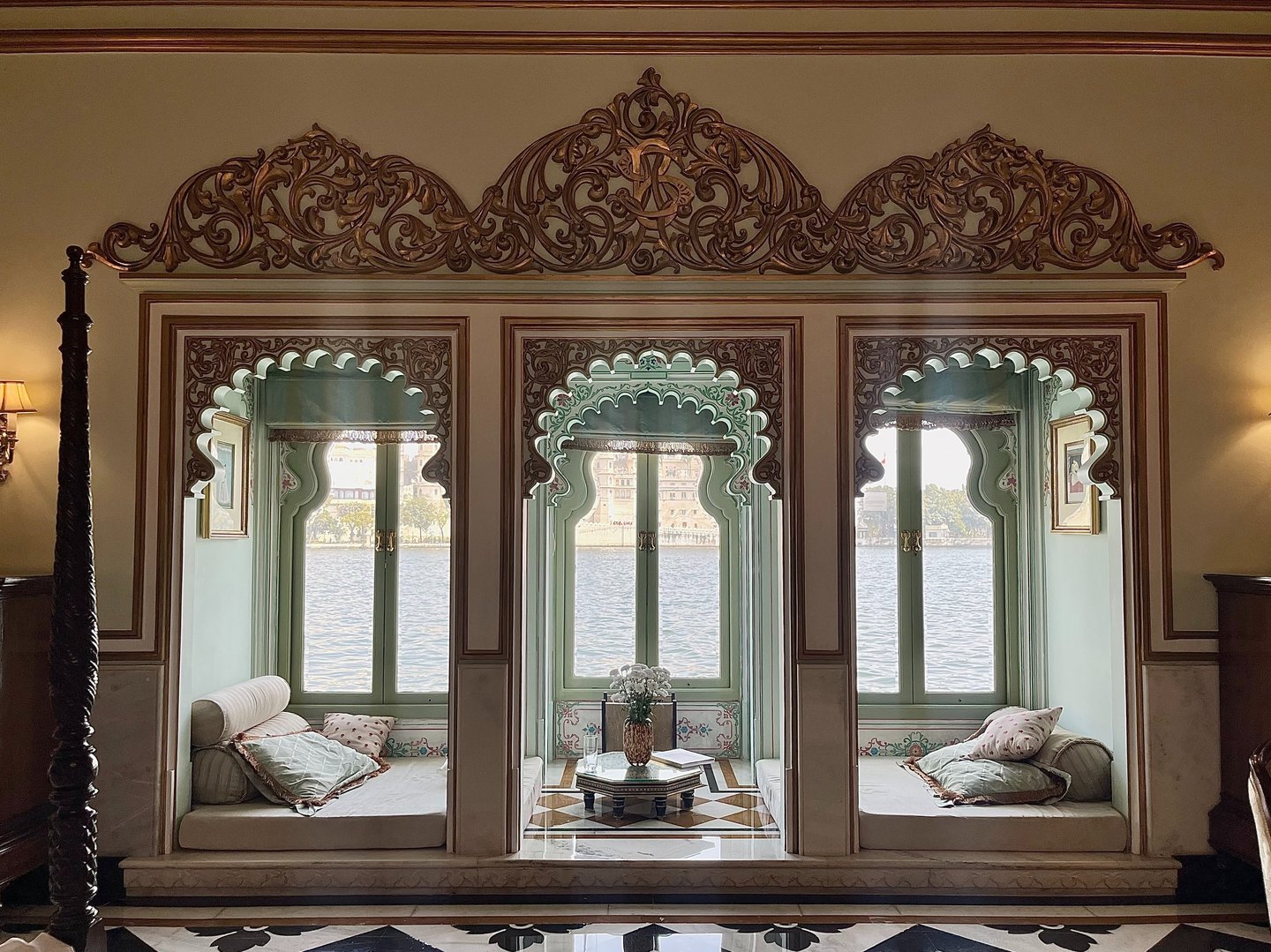
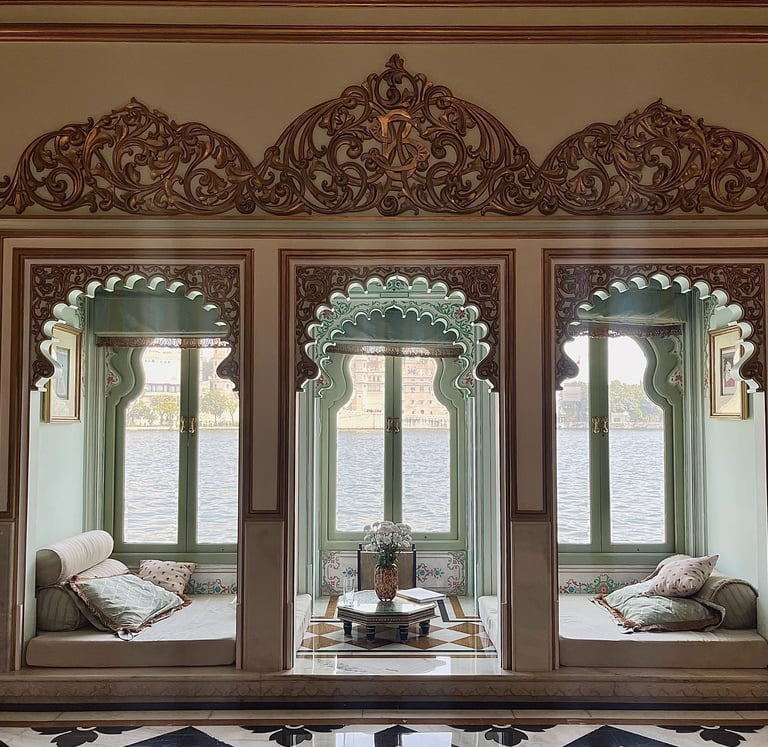
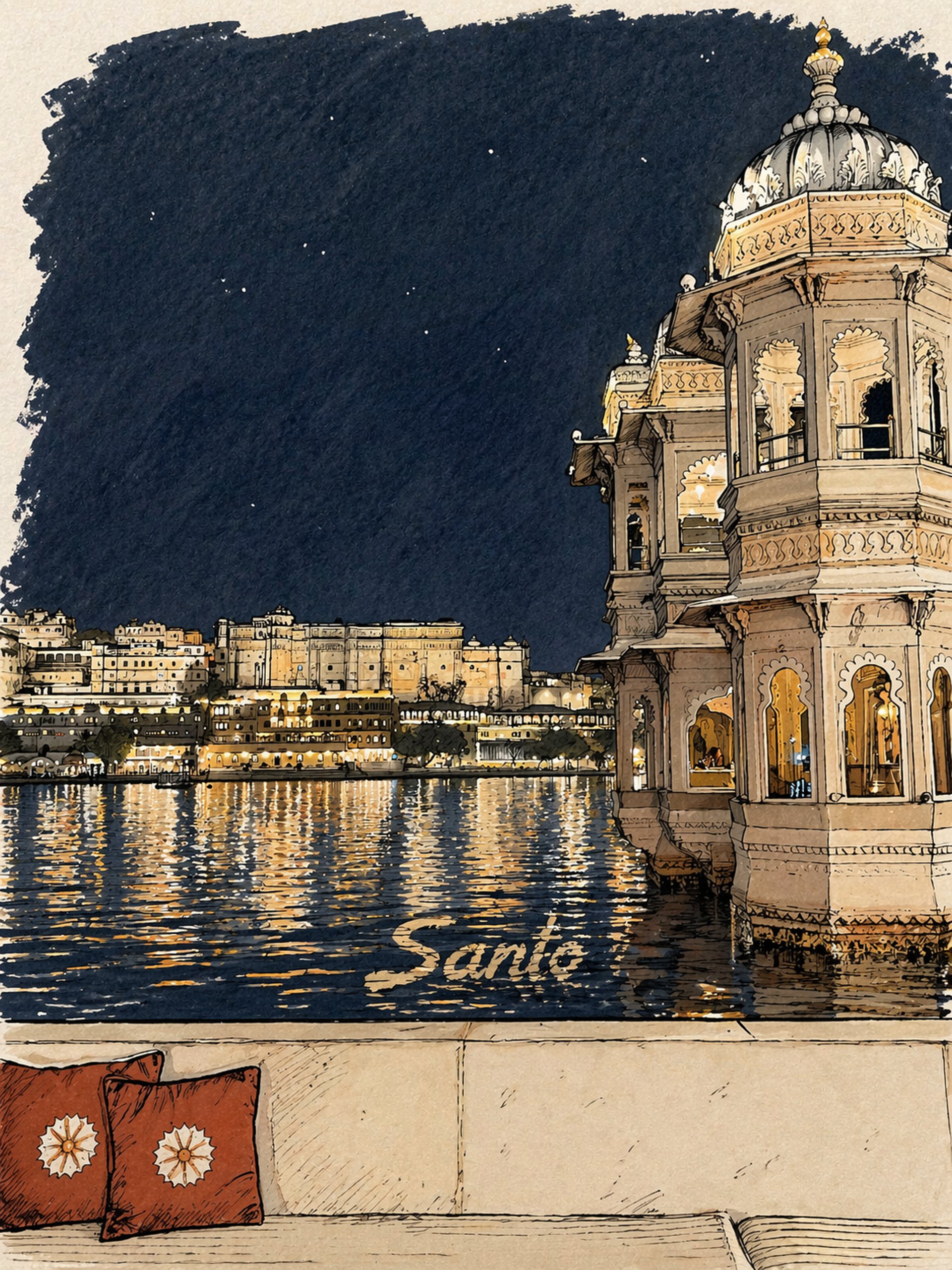
Udaipur feels softer and more romantic, its white palaces mirrored across the waters of Lake Pichola.
Jodhpur, painted in shades of blue, sits beneath one of the most imposing fortresses in India.
Despite their scale, these cities retain an intimacy shaped by daily life — small temples tucked into alleyways, artisans working in quiet courtyards, and markets that seem unchanged for generations.
Where To Stay
Rajasthan is home to some of the most remarkable heritage hotels in the world — former royal residences that have been carefully transformed into places of hospitality while preserving their historical character.
Certain palace hotels allow guests to experience what was once the private world of Indian royalty: grand courtyards, marble corridors, and terraces overlooking lakes or desert plains.
In Udaipur, palaces set directly on the water create an atmosphere that feels almost cinematic, particularly in the quiet hours of the morning or evening.
Elsewhere, desert retreats and restored forts offer a different perspective — where thick sandstone walls shelter tranquil courtyards from the heat and the surrounding landscape stretches endlessly toward the horizon.
In Rajasthan, the hotel is often as much a part of the destination as the city itself.
Where To Wander
The most memorable moments in Rajasthan often occur away from the main monuments.
In Jaipur, wandering through the old city reveals a vibrant network of markets where textiles, jewelry, and spices fill narrow streets beneath pink sandstone facades.
In Jodhpur, the blue-painted houses surrounding Mehrangarh Fort create one of the most visually striking cityscapes in India.
In Udaipur, quiet lanes wind through neighborhoods overlooking Lake Pichola, where whitewashed buildings and temple domes reflect softly in the water.
Beyond the cities, the landscape shifts dramatically. Desert plains, rural villages, and ancient stepwells reveal another side of Rajasthan — one where the region’s long history becomes visible through architecture shaped by both climate and tradition.
Experiences To Return For
Certain experiences capture the essence of Rajasthan.
Exploring a centuries-old palace where intricate carvings and mirrored halls reflect the artistic ambitions of former royal courts.
Watching the desert horizon change color at sunset, when the sandstone walls of forts and cities seem to glow in the fading light.
Walking through markets where generations of artisans continue to practice traditional crafts — block printing, metalwork, and gemstone cutting.
Evenings often slow down in Rajasthan. Rooftop terraces offer views across historic cities, while candlelit courtyards provide a quieter setting after the intensity of the day.
These moments reveal the deeper character of the region.
A Suggested Rhythm
Travel through Rajasthan benefits from a gradual pace.
A few days in Jaipur allow time to experience both its royal architecture and its lively markets. From there, journeys often continue deeper into the region — perhaps toward Jodhpur or Udaipur, where the atmosphere becomes increasingly tranquil.
Days often begin early, when the cities are cooler and the light reveals the colors of sandstone and marble. Midday invites a slower rhythm — perhaps within the shaded courtyards of a palace hotel or overlooking the lakes and rooftops that define many Rajasthani cities.
Evenings belong to the rooftops and terraces of the region’s historic palaces, where the architecture and landscape seem to merge with the fading light.
A Final Note
Rajasthan remains one of India’s most visually and culturally distinctive regions — a place where the scale of history is matched by the intensity of everyday life. Its palaces and forts are extraordinary, yet the most memorable moments often occur in quieter settings: a hidden courtyard, a desert horizon, or a street where centuries of tradition continue uninterrupted.
For travelers drawn to history, architecture, and places where atmosphere is inseparable from landscape, Rajasthan offers an experience unlike anywhere else in India.
If you are considering a journey through this region, I would be happy to help shape an itinerary that reveals its most memorable perspectives.